This website is not optimized for phones, the display is intended for computers.
Continuous improvement (Kaizen)The Kaizen philosophy is based on the principle that small, gradual improvements can result in significant progress. is an essential approach in an industrial context, but it is also one for the development of an amusement park. Its aim is to optimize the visitor experience while maximizing operational efficiency. This approach consists of regularly identifying opportunities for improvement, by visiting the site, interviewing the players involved (visitors, operators...), and studying processes. These identified improvements must then be implemented rigorously, effectively and, above all, sustainably.
Quality tools enable us to provide the best possible service and the most enjoyable experience for our visitors. They are working tools that enable problems to be identified quickly, so that they can be resolved rigorously and sustainably.
Sample tools :
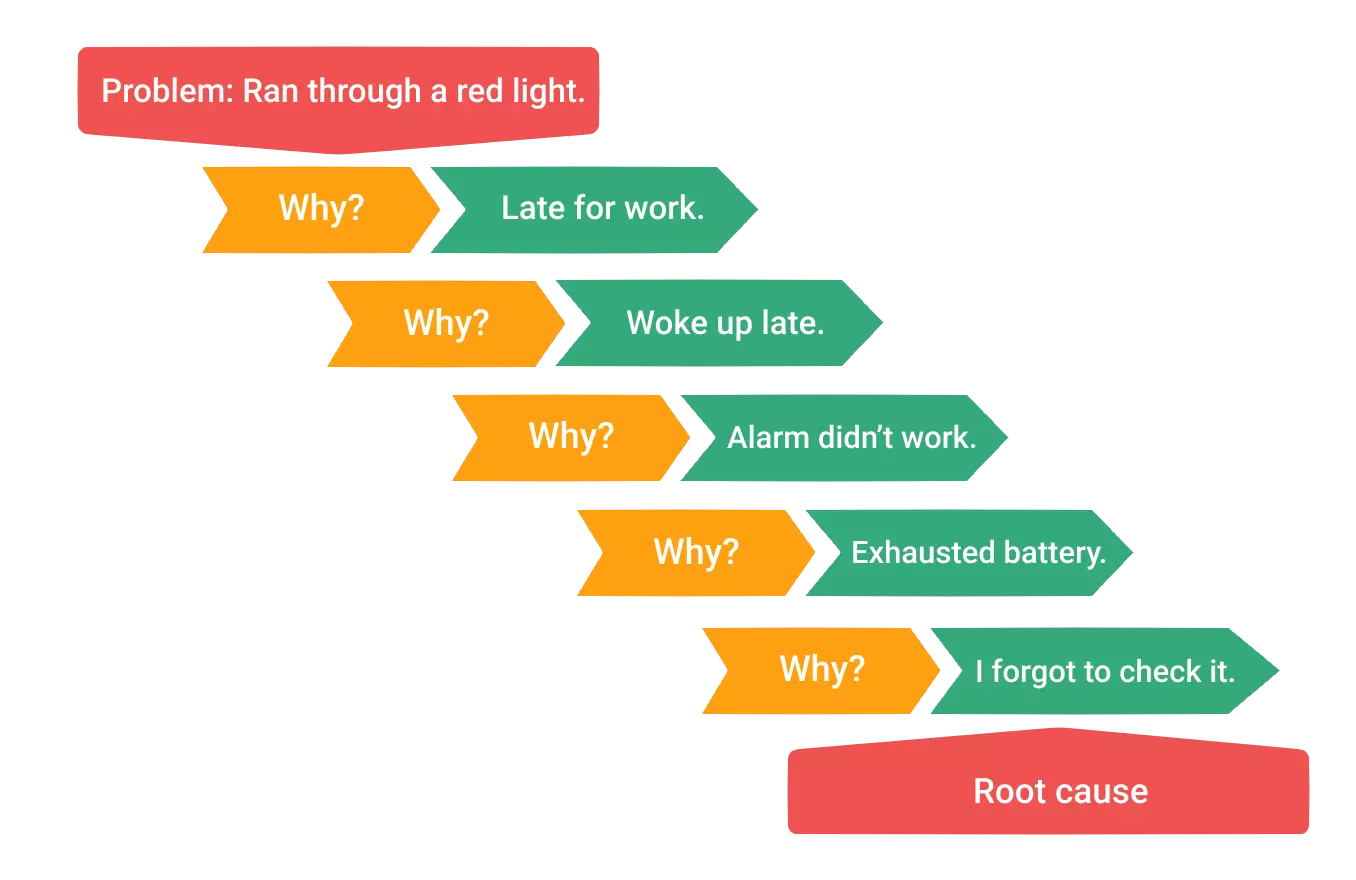
5 Why
5 Whys method: analyzes the root causes of a problem by asking the question "Why?" five times.
,
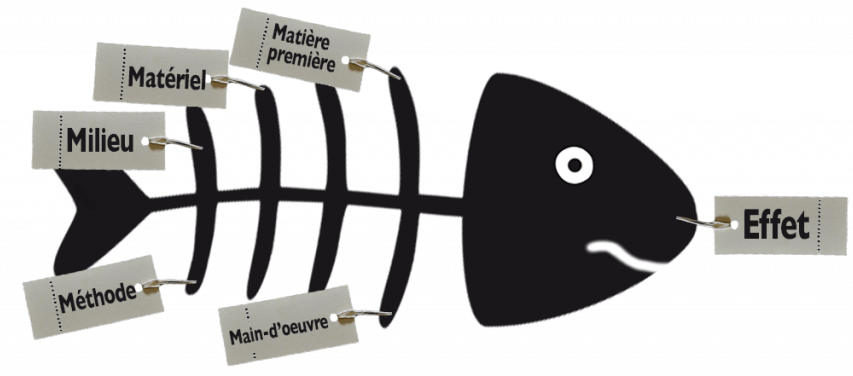
5M/Ishikawa
Cause-and-effect diagram for analyzing potential sources of problems, based on 5 main factors.
,
6 Sigma
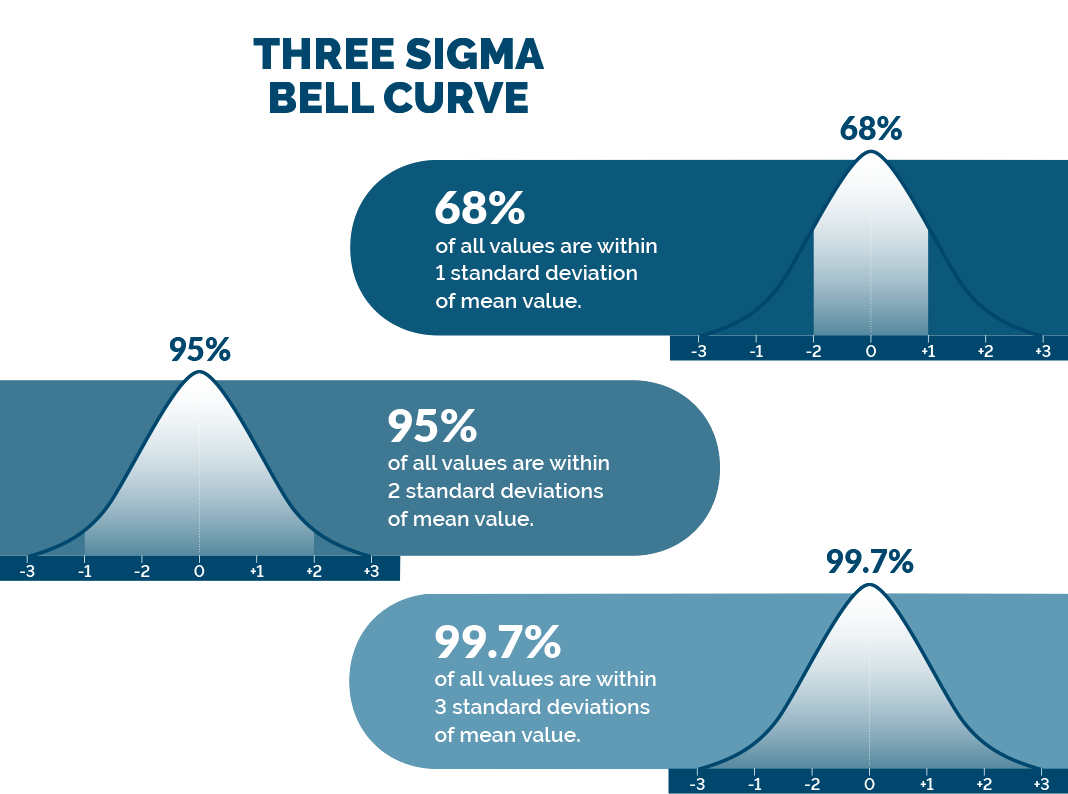
Quality improvement methodology designed to reduce process variability and eliminate defects using statistical techniques.
,
DMAIC
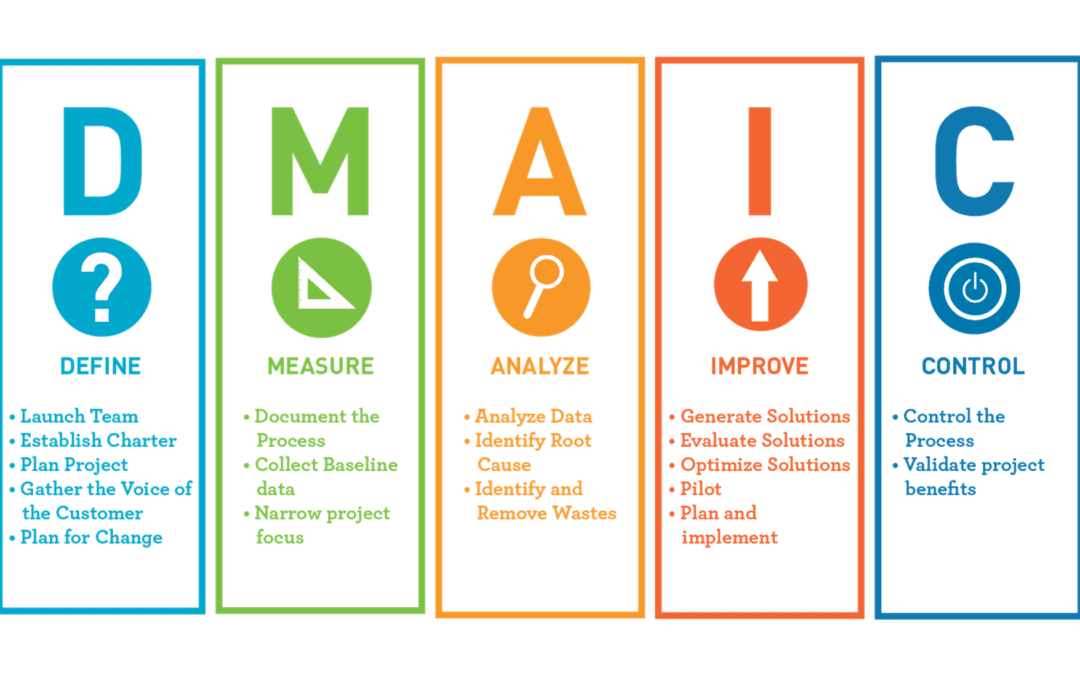
Process structured in 5 steps (Define, Measure, Analyze, Improve, Control) to improve and control processes.
,
PDCA/Deming
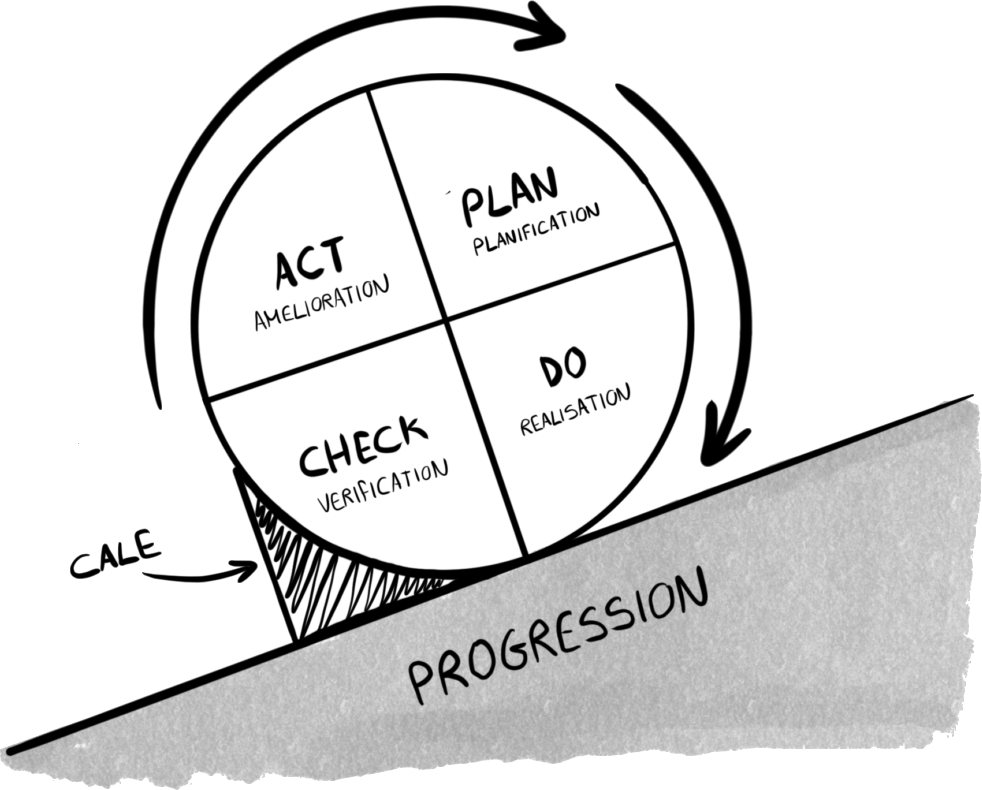
Plan-Do-Check-Act continuous improvement cycle for implementing and fine-tuning improvements.
,
FMECA
Failure Mode, Effect and Criticality Analysis to identify and prevent failures.
...
Lean methods aim to eliminate waste, particularly in terms of time, in order to operate as efficiently as possible. By applying Lean principles, work methods are optimized to the maximum, saving time, money and increasing visitor satisfaction.
Example of :
5S
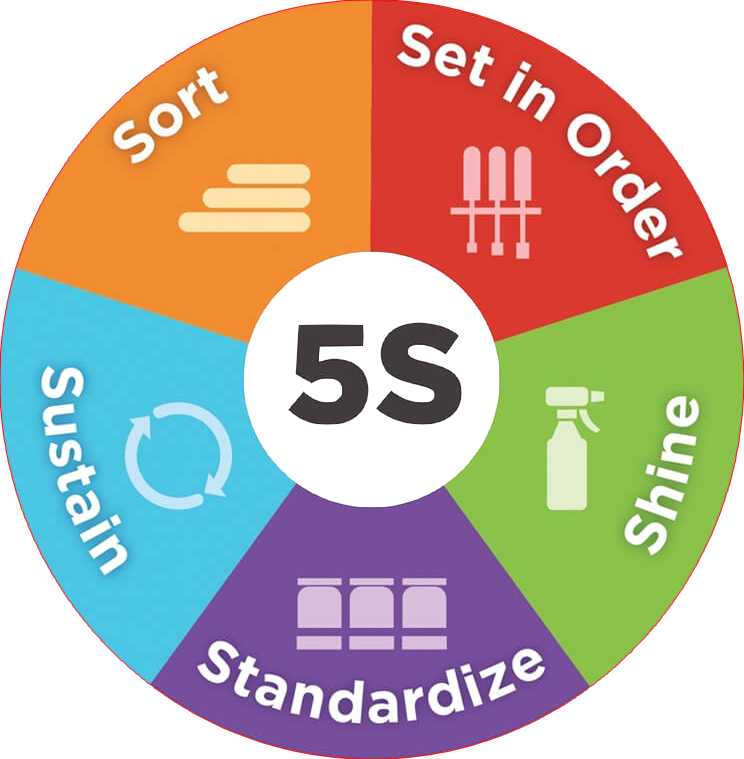
Japanese method for organizing the workplace to improve efficiency and reduce unnecessary waste.
,
Takt Time
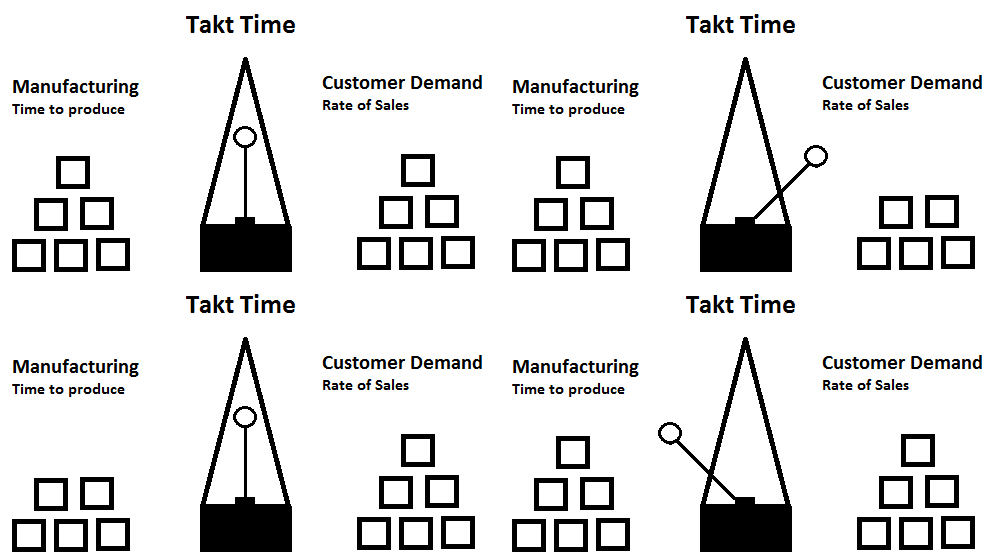
Takt Time is a rhythm imposed to meet customer demand, based on the time available.
,
TRS
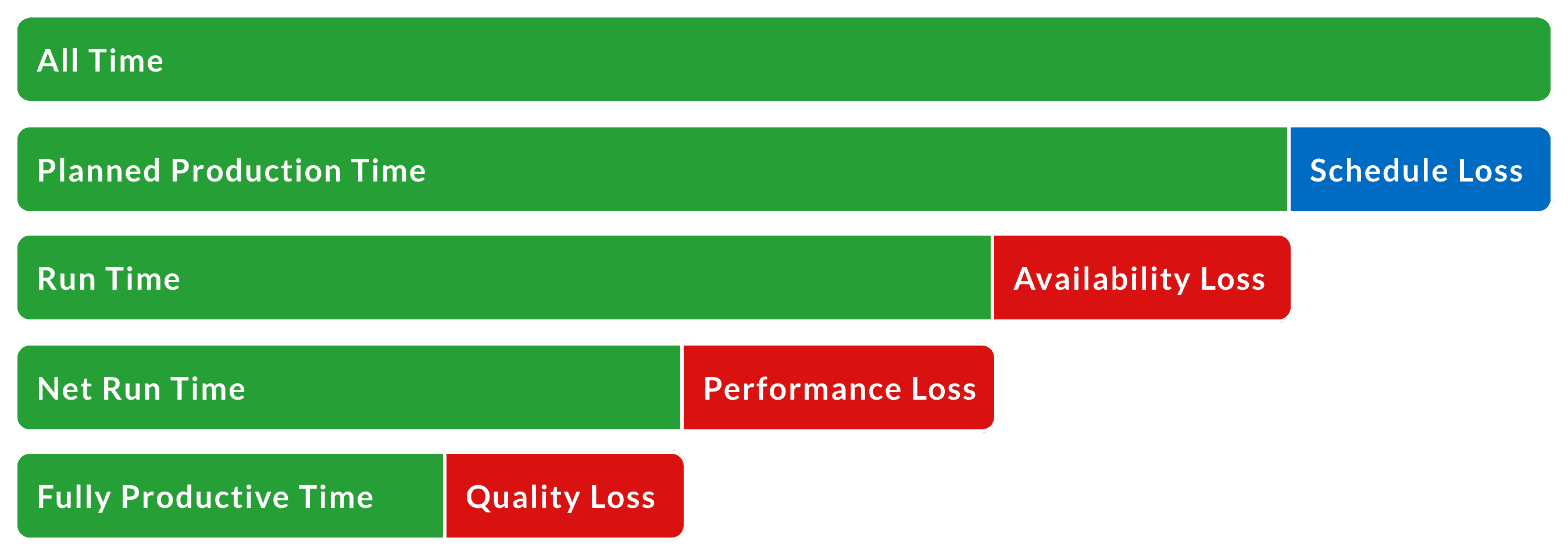
The Synthetic Efficiency Ratio is a performance indicator that measures the efficiency of a system, taking into account availability, performance and quality.
,
SMED
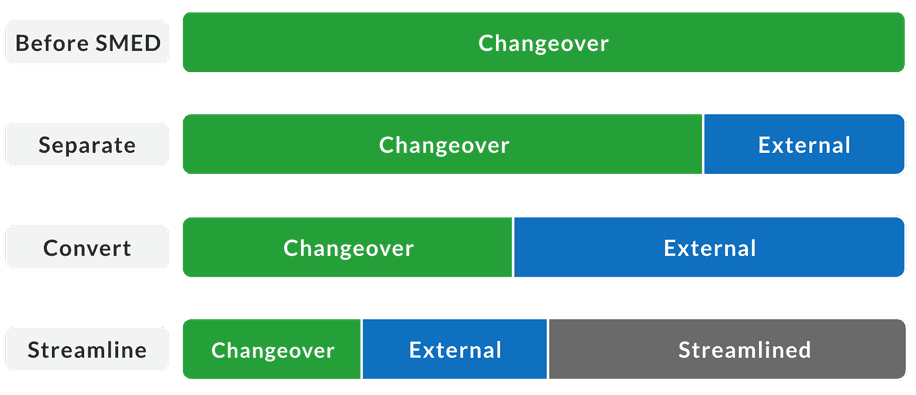
Method for reducing changeover times (Single-Minute Exchange of Dies), to improve a system's flexibility and responsiveness.
,
Poka Yoke
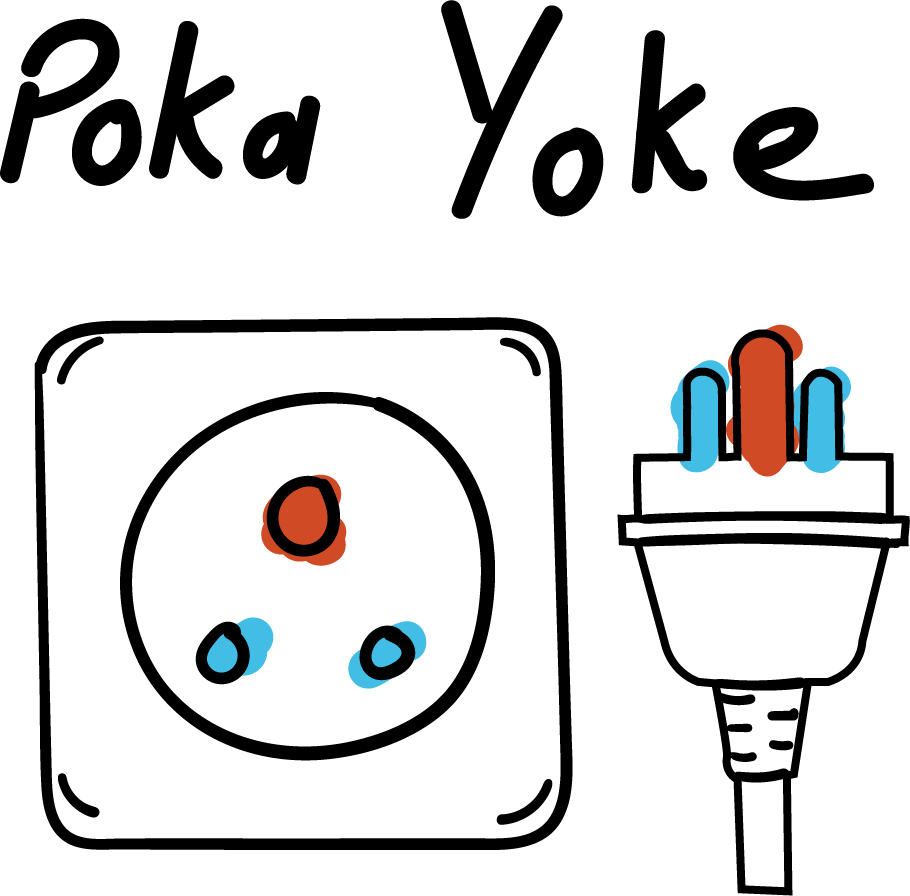
Anti-error system to eliminate human errors in processes.
...
Let's see how, on an attraction such as the Disk'O Coaster 40©, the study of the process and the implementation of a physical boundary during the boarding of visitors, allow both to increase the throughput of the attraction, and to reduce operator fatigue...
Opening of security and exit of visitors
Send 25 visitors to the disk
Moving visitors to get as many people in as possible
Closing and checking safety devices, cycle start-up
Cycle and stop attraction
Visitors/cycle: 35/40
Cycle time: 7:45 MIN
Cycles/Hour: 7.7
Visitors per hour: 270
Cycle displacement: 82M
Displacement/H: 630M

Visitors/cycle: 39.5/40 (+11%)
Cycle time: 5:45 MIN (-27%)
Cycles/H: 10.4 (+35%)
Visitors per hour: 412 (+53%)
Cycle displacement: 48M
Displacement/H: 500M (-130M/h)
Placing the boundary and opening the security
At the same time as the release, send as many visitors as possible to the disk, with installation instructions
Possible delays due to visitors
Removal of boundary, closing and checking of safety devices, cycle launch
Cycle and stop attraction
By studying and modifying an existing process, it is possible to increase productivity on an attraction, without further exhausting operators.
For a theme park engineer, continuous improvement is in fact a concept that can be applied on a daily basis, enabling him or her to sublimate technology from every angle.
Flow rates
Reduce waiting times
Maximize attraction rates
Satisfaction
Enrich the park experience
Increase visitor satisfaction
Operation
Facilitate operators' work
Motivate teams
Dashboards are essential tools for monitoring theme park performance. They enable real-time visualization of key performance indicators (KPIs) Key performance indicators (KPIs) enable decision-makers to assess the effectiveness of their actions by providing a clear guideline. They promote alignment between strategy and operations, guaranteeing effective performance management. and enabling swift detection of anomalies. They empower teams to make data-driven decisions that enhance operational efficiency and elevate customer satisfaction.
Flow Monitoring
Monitor operator performance, compare actual throughputs with theoretical forecasts, and detect trends to anticipate operational adjustments.
Visitor Experience
Analyze visitor satisfaction, waiting times and flows in the park to guarantee a high-quality experience and optimize queue management.
Inventory management
Monitor store and restaurant's stocks, adjust supplies to avoid shortages and optimize sales.
Dashboards are flexible and can be designed to meet specific objectives. Their purpose is to adapt precisely to a well-defined strategy.
Simulation is a powerful tool for theme parks, enabling them to design new projects and optimize already existing operations. Modeling complex systems helps to anticipate results, to identify possible improvements and to guarantee an exceptional visitor experience.
It focuses on the interaction between several autonomous entities, such as visitors or park infrastructures. This approach makes it possible to model complex behaviors and simulate a variety of scenarios, to improve the visitor experience or operational efficiency, for example.
It is ideal for modeling systems where changes occur at specific times. For example, it can be used to visualize and analyze the behavior of attractions and visitor flows, even to assess the impact of various variables on performance.
By integrating simulation into their processes, theme parks can not only design new projects more efficiently, but also continually improve their existing operations, ensuring an optimal experience for their visitors.
Industrial engineering provides key solutions for managing maintenance and logistics. From resource optimization to inventory and equipment management, these skills are essential to ensure the operational performance of infrastructures such as those of an amusement park. Tools such as Computerized Maintenance Management SystemCMMS and Enterprise Resource PlanningERP are widely used in this field.
This software enables you to plan, monitor and optimize equipment and infrastructure maintenance activities. They bring together technical data for optimum supervision. For example, CMMS can help improve the availability of attractions, extend their service life, and reduce maintenance costs.
These integrated software solutions help manage and optimize business processes such as human resources and supply chain management. They centralize data and facilitate decision-making. ERP is essential for managing store inventories, restaurants, team organization and much more.
“Lean and quality tools offer powerful levers for transforming any environment into a model of efficiency and fluidity. By applying these methods, we can eliminate waste, streamline processes and guarantee an optimal customer experience, all of which are considerable assets for the leisure sector.”
“Simulation techniques enable us to model complex flows and anticipate performance in a variety of environments. In the leisure sector, they would offer unique control to adjust operations in real time, improve the fluidity of itineraries and enrich the visitor experience.”
Tarik Chargui Teacher Researcher at UPHF
Logistics, Operational Research and Supply Chain Management
“Industrial engineering tools are the solutions of choice for optimizing resource management and maintenance. In a theme park, these methods would reduce interruptions, ensure optimum availability of attractions, and centralize decisions for maximum efficiency.”
Sondes Chaabane
Teacher Researcher at LAMIH UMR CNRS 8201
“Industrial engineering is an essential lever for managing complex environments such as exhibition or theme parks. Thanks to precise tools and proven methodologies, it helps guarantee an optimal visitor experience. These skills are at the heart of the technical and organizational challenges I tackle on a daily basis.”
Julien Engloo
Technical and Network Manager, Viparis PDV
INSA Engineer's degree, Industrial Engineering